

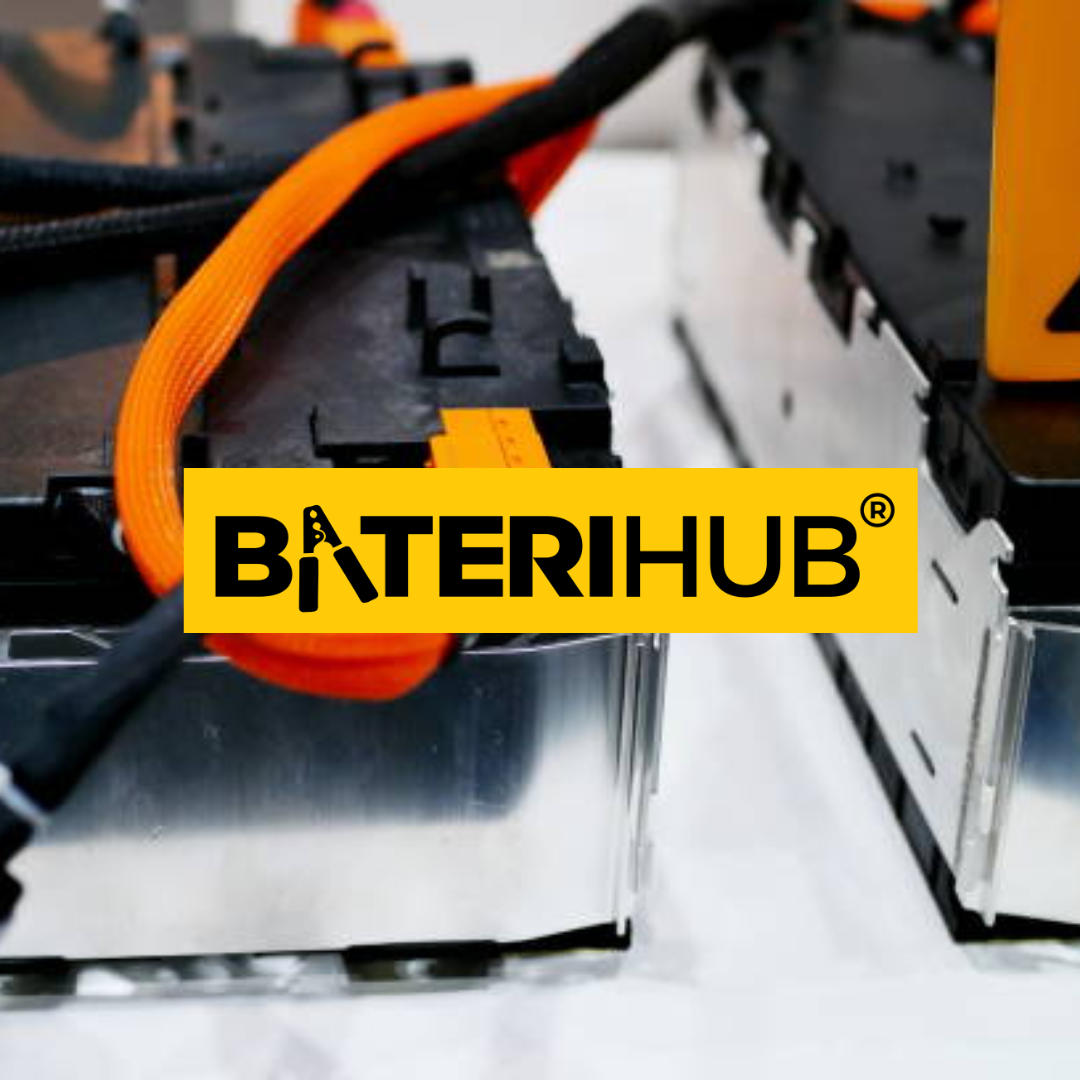
Lithium-ion (Li-ion) car batteries are no longer limited to electric vehicles and high-end automotive technology. In recent years, Li-ion batteries have slowly entered the Malaysian automotive market, raising curiosity among car owners who are familiar only with traditional lead-acid batteries. As more drivers look for longer-lasting and lighter battery solutions, it is important to understand what Li-ion batteries are, how they work, and whether they are suitable for everyday driving in Malaysia.
This article aims to educate Malaysian car owners on lithium-ion car batteries, explain their advantages and limitations, and help drivers decide if this new technology fits their vehicle and driving needs.
What Is a Lithium-Ion (Li-ion) Car Battery?
A lithium-ion car battery is a rechargeable battery that stores energy using lithium-based compounds instead of lead and acid. Unlike conventional car batteries, Li-ion batteries rely on lithium ions moving between electrodes during charging and discharging. This technology allows the battery to store more energy in a smaller and lighter form.
Li-ion batteries are widely used in electric vehicles (EVs), hybrid vehicles, smartphones, laptops, and power tools. Recently, this technology has begun appearing in 12V automotive batteries designed to replace traditional lead-acid batteries in certain vehicles.
Why Lithium-Ion Batteries Are Gaining Attention in Malaysia
Malaysian drivers are increasingly interested in Li-ion batteries due to their longer lifespan and lighter weight. Traditional lead-acid batteries in Malaysia typically last between 1 to 2 years due to heat and traffic conditions. Li-ion batteries, on the other hand, can last significantly longer when used in compatible vehicles.
Another key factor is performance. Li-ion batteries deliver consistent voltage output, which supports modern vehicles equipped with advanced electronics. As cars become more technology-driven, battery stability becomes increasingly important.
How Lithium-Ion Car Batteries Differ from Traditional Batteries
Compared to lead-acid, AGM, EFB, or silver calcium batteries, lithium-ion batteries operate very differently. They are significantly lighter, which reduces vehicle weight and improves efficiency. They also charge faster and experience less energy loss during use.
However, Li-ion batteries require advanced battery management systems (BMS) to control charging, discharging, and temperature. Without proper regulation, Li-ion batteries may degrade faster or become unsafe.
Advantages of Lithium-Ion Car Batteries
Lithium-ion batteries offer several clear advantages. Their lightweight design reduces strain on the vehicle and improves efficiency. They also provide stable voltage output, which benefits vehicles with sensitive electronics.
Another major advantage is lifespan. Under the right conditions, Li-ion batteries can last two to three times longer than traditional lead-acid batteries. They also require little to no maintenance, making them attractive to busy professionals who want minimal upkeep.
Limitations and Risks in the Malaysian Context
Despite their benefits, Li-ion batteries are not suitable for all vehicles in Malaysia. One major limitation is cost. Li-ion car batteries are significantly more expensive than conventional batteries, which may not be practical for many daily drivers.
Heat sensitivity is another concern. While Li-ion batteries perform well under controlled conditions, Malaysia’s hot climate can impact battery health if thermal management is not properly designed. Vehicles not originally engineered for Li-ion batteries may face compatibility issues.
Additionally, not all cars support Li-ion batteries. Using a Li-ion battery in a vehicle designed for lead-acid batteries without proper system compatibility can cause electrical issues or safety risks.
Which Vehicles Typically Use Lithium-Ion Batteries?
In Malaysia, Li-ion batteries are primarily found in electric vehicles (EVs) and hybrid models, such as Tesla, BMW i-Series, and certain hybrid Toyota and Honda models. Some performance and premium vehicles also use Li-ion auxiliary batteries for weight reduction and efficiency.
For standard petrol cars such as Perodua, Proton, Toyota, and Honda (non-hybrid models), traditional battery types like silver calcium, AGM, or EFB are still more practical and cost-effective.
Is Lithium-Ion the Future of Car Batteries in Malaysia?
Lithium-ion technology is likely to grow alongside Malaysia’s EV adoption. As infrastructure improves and costs decrease, Li-ion batteries may become more accessible to everyday drivers. However, for now, they remain a specialised solution rather than a universal replacement.
For most Malaysian drivers today, choosing the right traditional battery type that is heat-resistant, reliable, and supported by professional service remains the smarter option.
Why Professional Advice Matters
Choosing the wrong battery technology can lead to electrical problems, reduced lifespan, or unnecessary expenses. This is especially true with newer technologies like Li-ion batteries, which require proper compatibility and installation.
BateriHub helps drivers make informed decisions by assessing vehicle requirements, driving habits, and climate factors before recommending a battery solution. Not every car benefits from lithium-ion technology, and honest guidance ensures long-term reliability.
Conclusion: Should Malaysian Drivers Switch to Lithium-Ion Batteries?
Lithium-ion car batteries represent an exciting advancement in automotive technology, offering longer lifespan, lighter weight, and stable performance. However, they are not yet a one-size-fits-all solution for Malaysian drivers.
For EVs and compatible vehicles, Li-ion batteries make sense. For most daily drivers, modern AGM, EFB, or silver calcium batteries remain the most practical choice in terms of cost, availability, and heat resistance.